
Insights on Procurement Intelligence
Perspectives on procurement complexity, bid evaluation, and the tools that actually move the needle for capital-intensive industries.

Excel vs. Procurement Software: A 2026 Buyer's Guide to RFQ and Bid Comparison Tools
Why procurement teams are replacing Excel with dedicated RFQ and bid comparison platforms. A structured buyer's guide covering capability gaps, the hidden cost of spreadsheets, evaluation criteria, migration steps, and answers to the questions sourcing leaders ask most often.
Read article
The Hidden Cost of Manual Bid Normalization in Capital Procurement
When vendor quotes arrive in different formats with buried assumptions, procurement teams spend days building comparison spreadsheets. The real cost is not time — it is the decisions made on incomplete data.
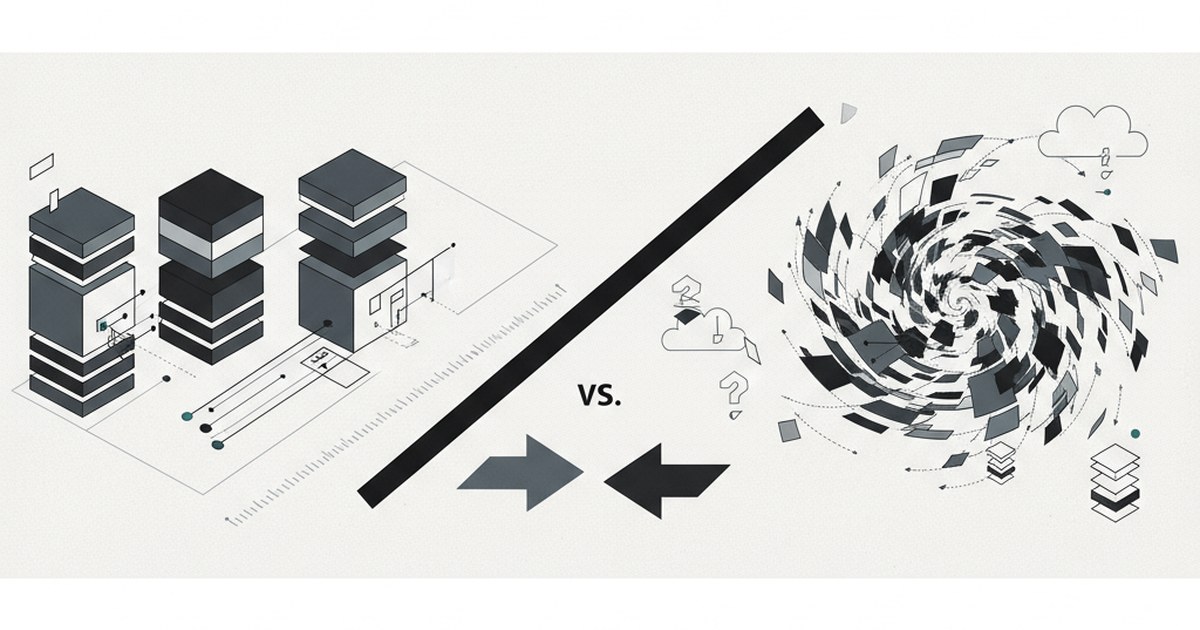
Catalog vs. Free-Text Buying: Where Each Wins
Choosing between catalog and free-text buying is a balance of control versus flexibility. While catalogs ensure compliance and consistency, free-text allows for the innovation and speed needed in a shifting market. We look at how procurement leaders can combine both strategies to build a more agile and efficient supply chain.
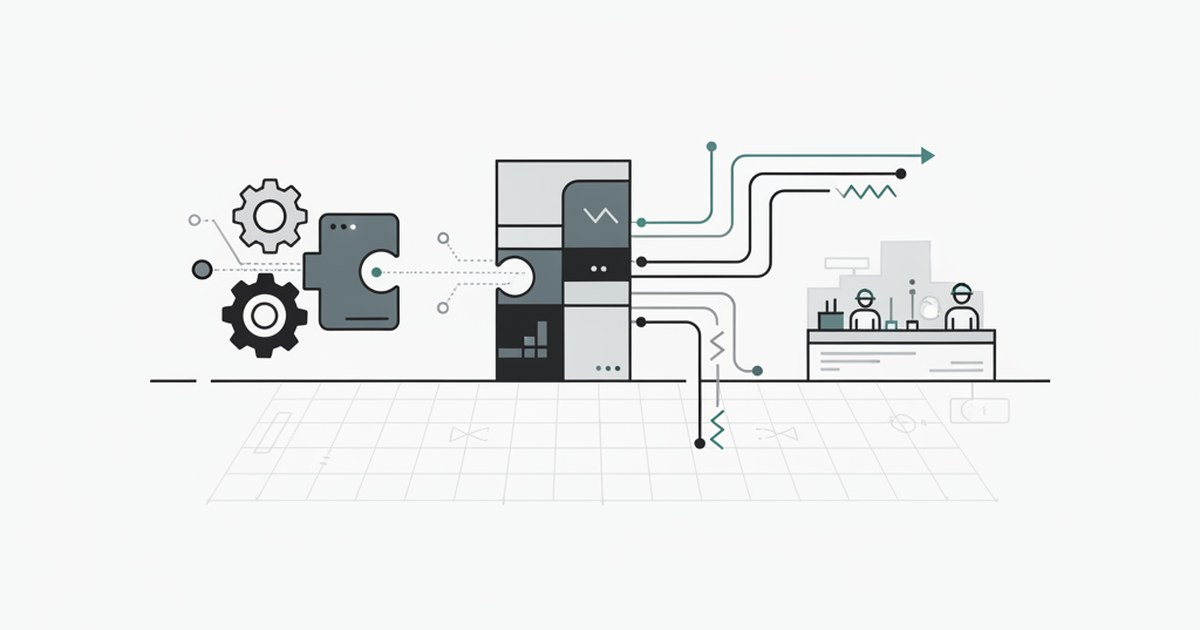
Backorders and Substitutions: Keeping the Floor Informed
Backorders are inevitable, but they don't have to stall production. Effective operations rely on clear communication and a solid strategy for product substitutions. We look at how to keep floor teams informed, the value of an alternatives database, and using technology to pivot quickly when supply chains shift.

Chemicals: Spec Discipline as a Procurement Superpower
In chemical procurement, small variations in material properties can lead to major production issues. Implementing strict spec discipline helps teams avoid delays, lower costs, and hold suppliers accountable. This approach aligns technical requirements with business goals to create a more resilient and efficient supply chain.

Supplier Onboarding Without the Headaches: A Modern Checklist
Supplier onboarding shouldn't be a source of constant delays. This post walks through a practical checklist—including assessment, tech integration, and performance metrics—designed to help procurement teams streamline their processes and build better long-term relationships with their vendors.

Procurement Training for Non-Procurement People
Most teams operate in silos, but procurement works best when everyone understands the basics. This post explores how training non-specialists in shared vocabulary, data literacy, and relationship management can lead to more efficient spending and better collaboration across your entire organization.

E-commerce Fulfillment: Procurement’s Role in Delivery Promises
Meeting delivery expectations starts long before a package hits the road. This post explores procurement’s behind-the-scenes role in e-commerce, focusing on how supplier relationships, demand forecasting, and cross-team collaboration ensure that products are available and promises are kept when customers click "buy."

Procurement Data Silos in Utility Organizations
Utility organizations often struggle with procurement data silos that hide pricing trends and delay projects. Breaking down these barriers requires more than just new software; it takes a focus on cross-departmental collaboration and a culture of transparency to drive efficiency and reduce operational costs.

The Procurement Implications of Aging Grid Infrastructure
Our aging power grids are creating significant risks for procurement and supply chain leaders. This piece looks at the shift from simple cost-reduction to building resilience through diversified energy sources and data-driven planning. It’s about how to stay operational and efficient even when the traditional grid begins to falter.