
Insights on Procurement Intelligence
Perspectives on procurement complexity, bid evaluation, and the tools that actually move the needle for capital-intensive industries.

The Rise of Always-On Sourcing
Traditional procurement is often too slow for today's market. This post explores "always-on sourcing"—a proactive approach using real-time data and continuous supplier engagement to build resilience. Learn how technology and better collaboration help businesses move past reactive tactics to stay ahead of supply chain disruptions.

The Role of AI in Reducing Decision Fatigue
Constant decision-making in supply chain and procurement often leads to burnout and errors. AI helps by automating routine choices and analyzing complex data, giving leaders their mental bandwidth back. This post explores how offloading the small stuff to technology allows for a better focus on high-impact strategy and business goals.

Moving From Approval Chains to Intelligent Guardrails
Bureaucratic approval chains often slow down procurement when speed is needed most. This post covers the shift toward intelligent guardrails: a framework that uses real-time data to give teams more autonomy while keeping risks managed and projects moving.

Why Speed Without Structure Creates Hidden Risk
Moving fast in procurement is necessary, but speed without a structured process often hides significant risks. From compliance gaps to supply chain disruptions, skipping due diligence can lead to costly failures. This post explores how to balance agility with accountability to maintain operational integrity and long-term success.

Why Integration Debt Is Holding Back Procurement Innovation
Integration debt—the friction caused by disconnected tools and data silos—is holding procurement teams back. This post breaks down the hidden costs of fragmented systems and explains why a unified tech stack is necessary to move away from administrative headaches and toward strategic innovation.

Why RFQs Are Becoming Living Documents, Not Static Requests
Static RFQs struggle to keep up with today’s market volatility. Many procurement teams are now treating RFQs as "living documents"—flexible tools that allow for real-time updates and deeper supplier collaboration. This shift helps organizations stay agile, reduce lead times, and make more strategic sourcing decisions as conditions change.

How Procurement Technology Is Finally Catching Up to Reality
Traditional procurement has been stuck in a manual time warp for years. This post explores how new tools—like AI, predictive analytics, and collaboration platforms—are finally aligning with the realities of modern supply chains. See how teams are shifting from administrative chores to strategic, data-driven decision-making.

The Shift From Transaction Management to Flow Management
Managing individual transactions often leads to silos and delays in procurement. Moving toward flow management helps teams focus on the continuous movement of resources and data instead. This shift makes it easier to spot risks early, work closer with suppliers, and keep operations running without the usual stop-and-start friction.
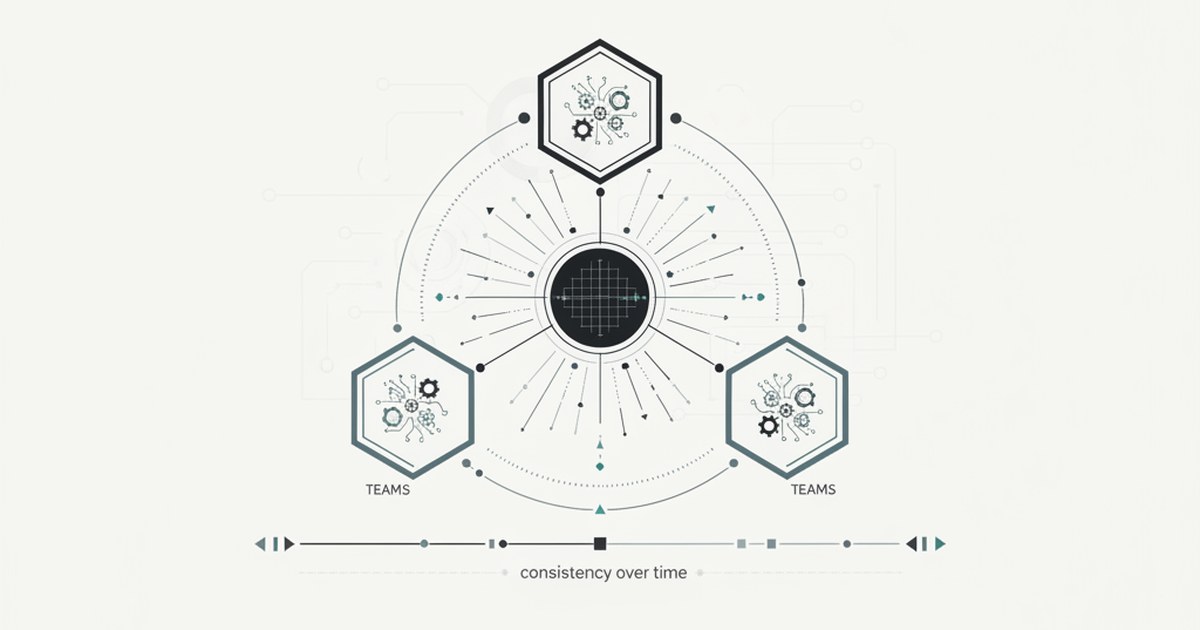
How Autonomous Sourcing Improves Consistency Across Teams
Fragmented procurement processes often lead to errors and inconsistent supplier relations. Autonomous sourcing unifies these operations by providing shared data and automated workflows. By standardizing how teams select and manage suppliers, businesses can reduce costs, improve accuracy, and build a more resilient supply chain.

How Procurement Teams Avoid Over-Automating the Wrong Things
Automation shouldn't come at the cost of strategic relationships. Learn how procurement teams identify the right tasks for tech, avoid the trap of fragmented tools, and involve employees to ensure new workflows actually solve problems. It's about finding the balance between digital efficiency and human judgment.