
Insights on Procurement Intelligence
Perspectives on procurement complexity, bid evaluation, and the tools that actually move the needle for capital-intensive industries.

The Business Case for Expanding Your Supplier Network
Expand your supplier network for a more resilient business. It reduces risk, sparks innovation, cuts costs, and boosts agility. Diversification also enhances sustainability, helping your company adapt and grow in today's dynamic market.

How Expanding Competition Unlocks Better Results
Expanding procurement competition drives innovation, lowers costs, mitigates risks, and strengthens supplier relationships. It's a strategic approach for leaders to navigate dynamic markets, enhance negotiation power, and unlock better, more resilient results across the supply chain.

Cutting Through the Jargon: What Digital Change Really Means
Cut through the digital jargon. This post explains digital change as integrating technology into business processes to enable data-driven decisions, automate tasks, and enhance supply chain collaboration. It's about empowering teams and driving measurable outcomes for continuous improvement, not just buzzwords.

Protecting Brand Integrity Starts With Smarter Sourcing
Protecting brand integrity means smarter sourcing. Focus on ethical partners, strong supplier relationships, data-driven decisions, sustainability, and empowered teams to build trust, mitigate risks, and ensure long-term success in today's transparent marketplace.
Tailoring Your Sourcing Playbook for Every Spend Type
Ditch one-size-fits-all procurement. This guide shows how tailoring sourcing strategies for various spend types—direct, indirect, capital, and operational—drives significant savings and efficiency. Learn to assess markets, customize supplier engagement, leverage technology, and establish metrics for smarter, more agile procurement.

Finding the Right Balance Between Local Autonomy and Global Control
For procurement, supply chain, and ops leaders, balancing local autonomy with global control is key. Local teams offer unique insights and agility, while global strategies ensure efficiency and consistency. Achieving this equilibrium through collaboration and technology drives innovation, customer satisfaction, and sustained competitive advantage.

Where Automation Delivers Real Value to Procurement Teams
Discover how automation transforms procurement by streamlining supplier management, purchase orders, and invoice processing. Gain real-time data for better decisions, improve demand forecasting, reduce errors, and foster stronger supplier relationships, ultimately driving efficiency and cost savings.

How Connected Systems Became the Backbone of Modern Resilience
Connected systems are vital for modern resilience, enabling seamless data flow, real-time insights, and enhanced collaboration across procurement, supply chain, and operations. They empower businesses to adapt, mitigate risks, and thrive amid unpredictable disruptions.

The Habits and Metrics of World-Class Procurement Leaders
World-class procurement leaders build strong supplier relationships, leverage data, embrace technology, champion sustainability, and foster team collaboration. These habits drive measurable success, impacting cost savings, efficiency, and strategic value for the organization.
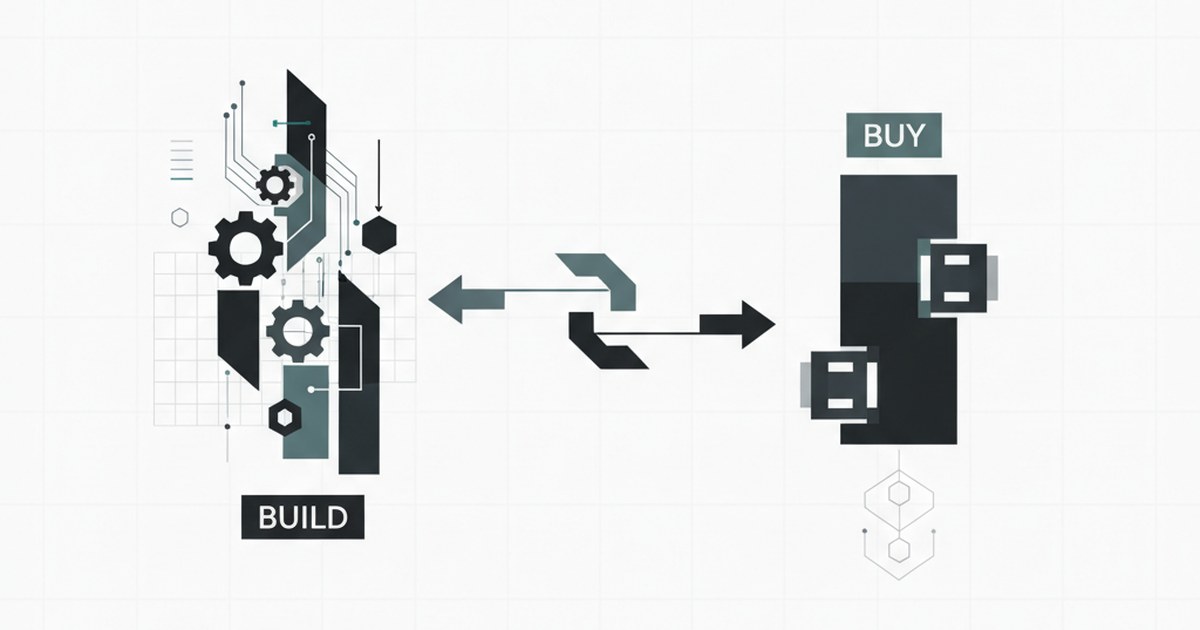
When to Build and When to Buy: Integration Strategies That Work
Navigate the critical decision of building custom technology solutions versus buying off-the-shelf systems for procurement and supply chain. This post explores integration strategies, covering core business needs, internal capabilities, cost-benefit analysis, flexibility, and vendor relationships to drive measurable business outcomes.