
Insights on Procurement Intelligence
Perspectives on procurement complexity, bid evaluation, and the tools that actually move the needle for capital-intensive industries.
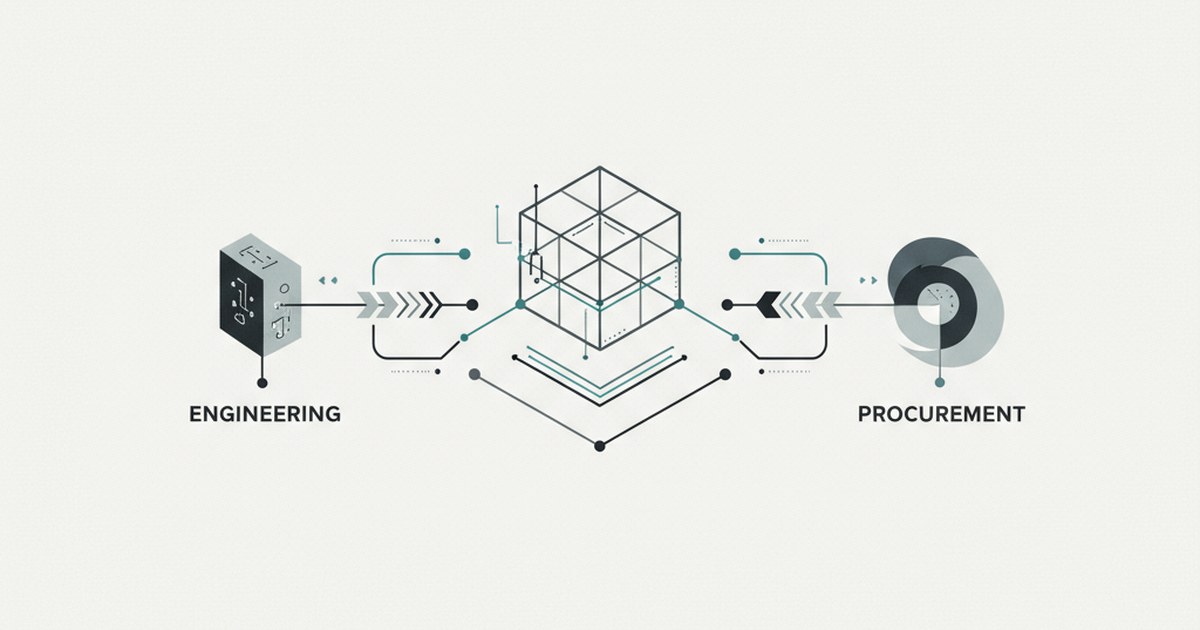
Engineering-Led RFQs and Procurement Misalignment
Engineering wants innovation while procurement prioritizes cost and lead times. When these goals clash during the RFQ process, projects often face delays and budget overruns. Learn how to bridge the gap through early collaboration, shared data, and aligned KPIs to streamline product development and improve time-to-market.

Procurement Visibility as a Risk Mitigation Tool
Real-time data across the supply chain is essential for spotting risks before they escalate. This piece explores how procurement visibility helps teams move from reactive firefighting to proactive mitigation through better supplier transparency, scenario planning, and centralized technology.

Capital Equipment Procurement in EPC Delivery Models
Managing capital equipment procurement in EPC projects means balancing tight margins with complex timelines. This look at procurement strategies highlights the importance of cross-functional teams, supplier partnerships, and proactive risk management to keep large-scale engineering projects on track and within budget.

Multi-Lot RFQs in Utility Projects: Where Complexity Multiplies
Multi-lot RFQs can simplify procurement, but in the utility sector, they often introduce risks that lead to delays and budget overruns. Success requires moving beyond the lowest bid to focus on supplier segmentation, centralized communication, and performance metrics that prioritize long-term reliability over short-term savings.
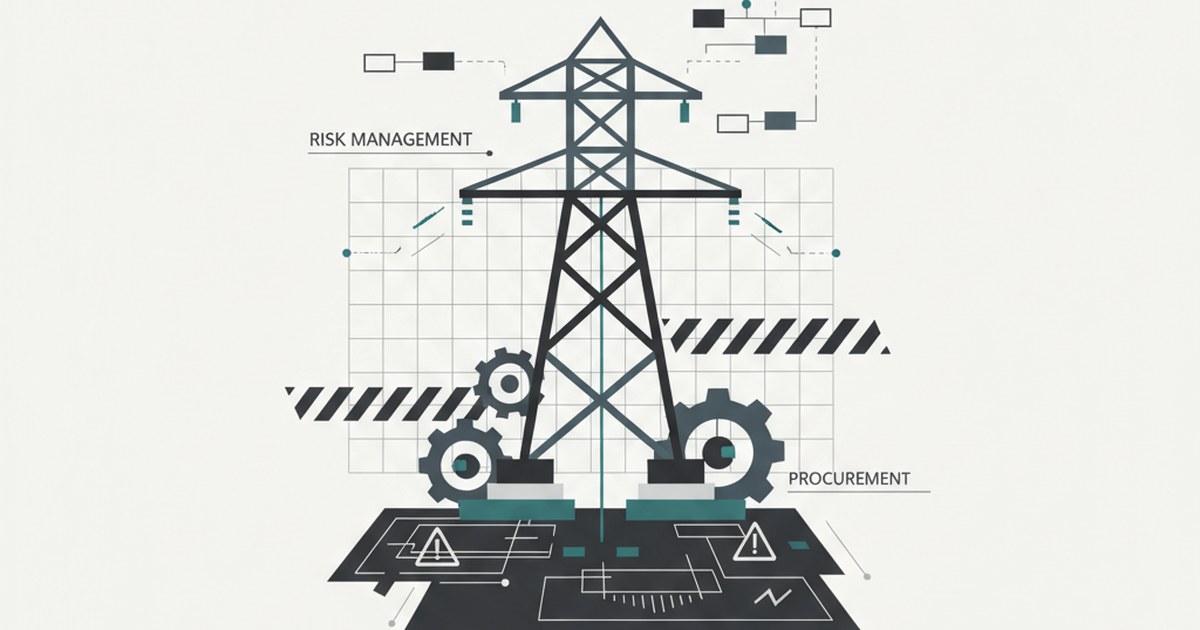
Managing Procurement Risk in Transmission Buildouts
Transmission buildouts often face delays from supplier bottlenecks and regulatory shifts. Learn how procurement leaders can mitigate these risks through diversified sourcing, predictive analytics, and collaborative supplier relationships to keep projects on track and protect budgets.

Why Spreadsheet Workarounds Persist in Utilities
Why are spreadsheets still the backbone of many utility operations? Between cultural inertia and the hidden costs of manual tracking, many organizations struggle to move on. This post breaks down the systemic reasons behind the spreadsheet habit and the practical benefits of switching to integrated, real-time data solutions.

Governance in Utility RFQ Processes
Poor governance in RFQs can lead to expensive delays and strained supplier relationships. Learn how utility leaders are using structured guidelines, cross-functional collaboration, and digital compliance tools to streamline procurement, manage risks, and ensure project success without losing operational agility.

The Anatomy of a Transmission Equipment RFQ
A solid RFQ is the foundation of successful procurement. We break down the essential elements of a transmission equipment RFQ, from technical specs and scope to evaluation criteria. Learn how better documentation and early supplier engagement can help reduce total cost of ownership and build stronger vendor partnerships.

Transmission Procurement in an Era of Electrification
Electrification and renewable energy are forcing a rethink of transmission procurement. To maintain a reliable grid, procurement teams must move beyond the lowest bidder to prioritize agile supplier partnerships, data-driven insights, and the complex regulations shaping our transition to a decarbonized future.

Procurement Complexity in Multi-Year Capital Programs
Managing long-term capital projects involves shifting budgets, supply chain risks, and regulatory hurdles. This post looks at how procurement teams can navigate these complexities by using data-driven forecasting, improving stakeholder communication, and building flexible frameworks that adapt to change without blowing the budget.