
Insights on Procurement Intelligence
Perspectives on procurement complexity, bid evaluation, and the tools that actually move the needle for capital-intensive industries.

How Automation Improves RFQ Consistency Across Teams
Manual RFQ processes often suffer from "the telephone game," leading to inconsistencies and delays. Automation solves this by standardizing templates and centralizing communication across departments. By creating a single source of truth, teams can improve supplier response rates, maintain accountability, and drive better procurement outcomes.

Why Industrial Buyers Need Smarter Vendor Shortlisting
Choosing the wrong vendor can hurt your bottom line more than a high price tag. It’s time for industrial buyers to move past basic metrics like price and availability. By focusing on long-term partnerships, data-driven comparisons, and goal alignment, you can build a more resilient supply chain that supports sustainable business growth.
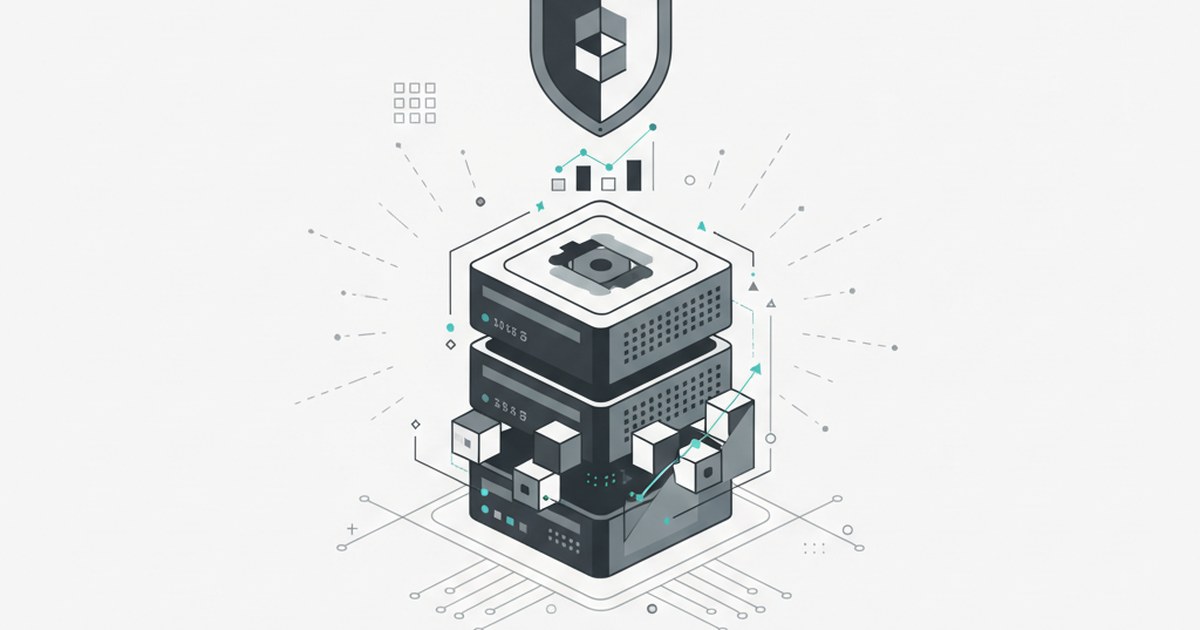
How Procurement Software Improves Compliance in Regulated Industries
In regulated industries like pharma and aerospace, manual compliance tracking is no longer enough. Procurement software helps teams maintain visibility, automate essential documentation, and manage supplier risks more effectively. Moving from spreadsheets to digital tools reduces the risk of penalties while improving overall operational efficiency.
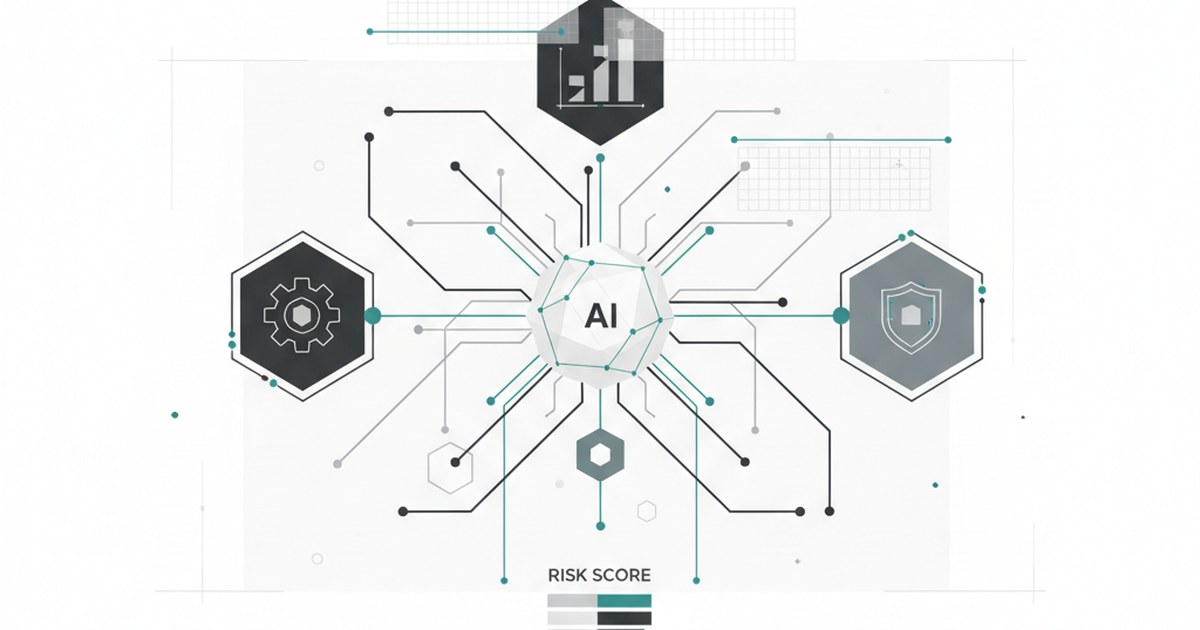
How AI Improves Vendor Risk Scoring in Capital Projects
Manual vendor assessments often struggle to keep up with the risks in capital projects. AI-driven risk scoring changes that by using real-time data and predictive analytics to flag potential issues before they cause delays. This approach helps teams automate evaluations, reduce bias, and build more reliable project foundations.

Why Procurement Teams Need Visibility Into Subtier Suppliers
Supply chain disruptions often start with a sub-tier supplier you don't directly manage. To avoid unexpected delays and quality issues, procurement teams need visibility into every layer of their network. Here is why understanding your "suppliers’ suppliers" has become a necessity for building a more resilient operation.
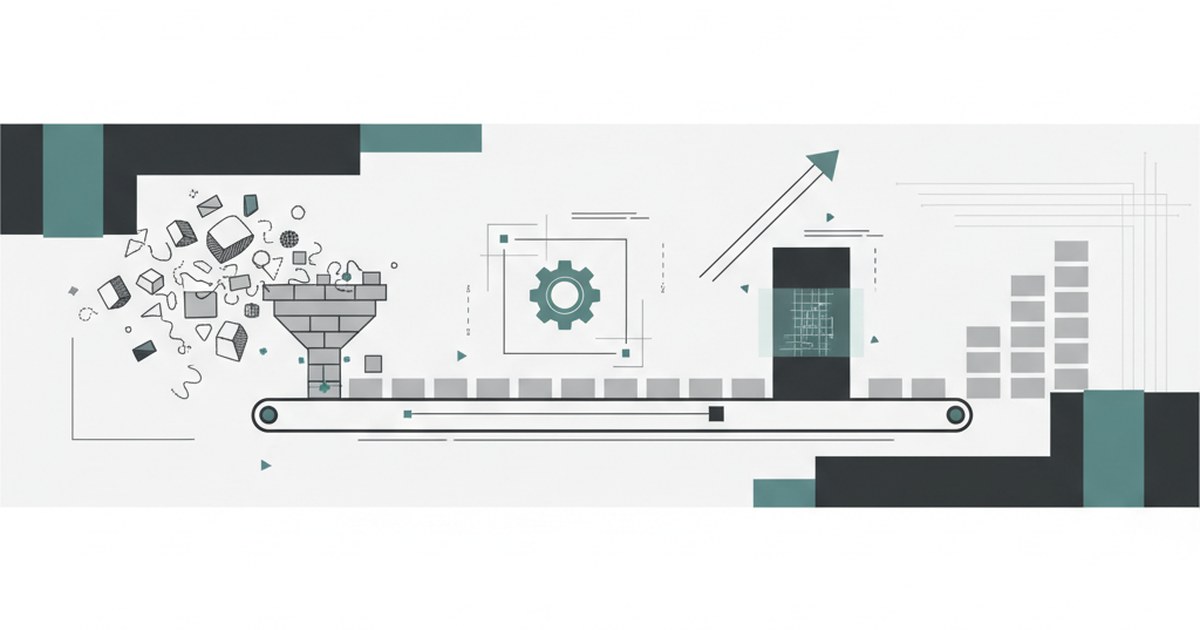
How Automation Reduces Manual Review in Complex RFQs
Managing complex RFQs manually often leads to delays and errors. Automation simplifies the process by centralizing supplier data and using analytics to compare quotes. This approach helps procurement teams reduce manual work, minimize human error, and reach decisions faster without sacrificing accuracy.

Why Supply Chain Visibility Breaks Down at the Project Level
High-level strategy often falls apart when it hits the project level. Between fragmented communication, legacy systems, and misaligned team goals, it’s easy to lose track of the supply chain. We look at why these gaps happen and how digital integration and better collaboration can help keep your operations on track.
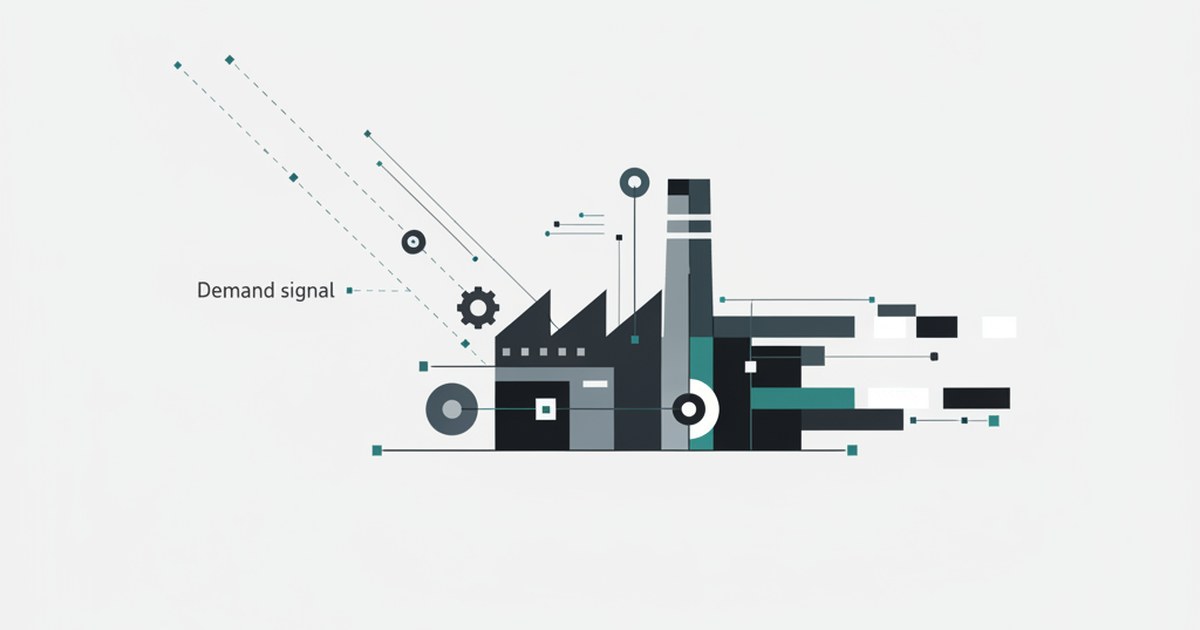
Why Industrial Procurement Needs Better Demand Signals
Static forecasts and old data are no longer enough for industrial procurement. This guide looks at why real-time demand signals are essential for avoiding inventory waste, how technology like AI and IoT can provide better insights, and why cross-team collaboration is the key to staying agile in a volatile market.
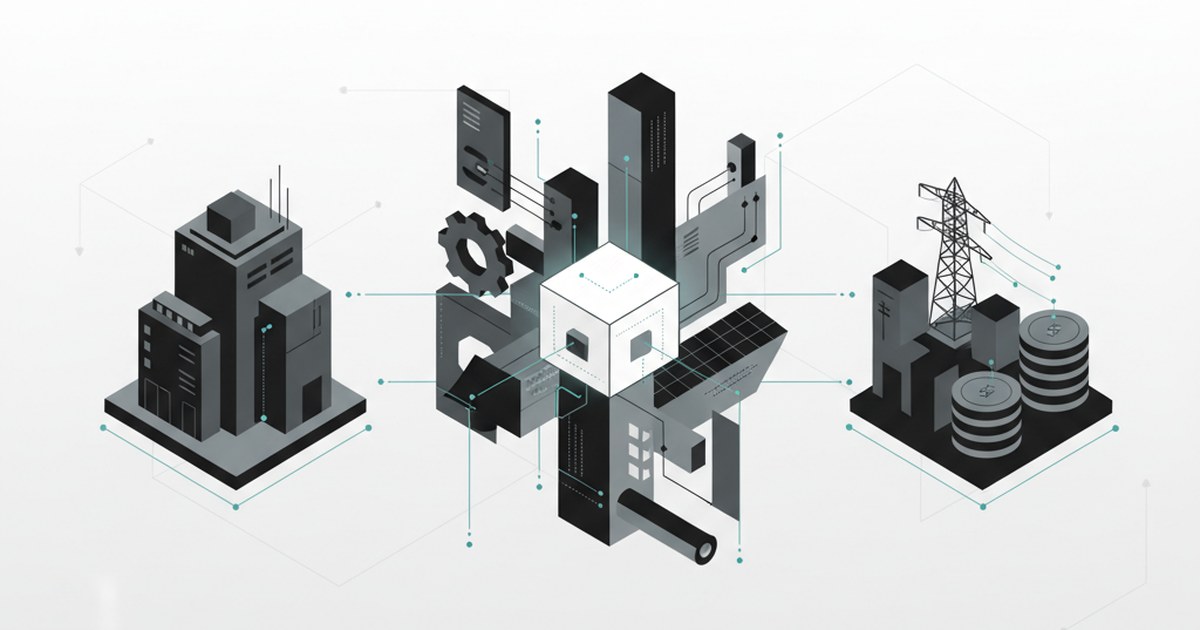
The Role of Procurement Software in Multi Year Capital Planning
Managing multi-year capital projects shouldn't involve hunting through spreadsheets. Procurement software helps align financial goals with operations by centralizing data and improving team collaboration. This post breaks down how the right tools improve vendor management, compliance, and budgeting for more effective long-term planning.
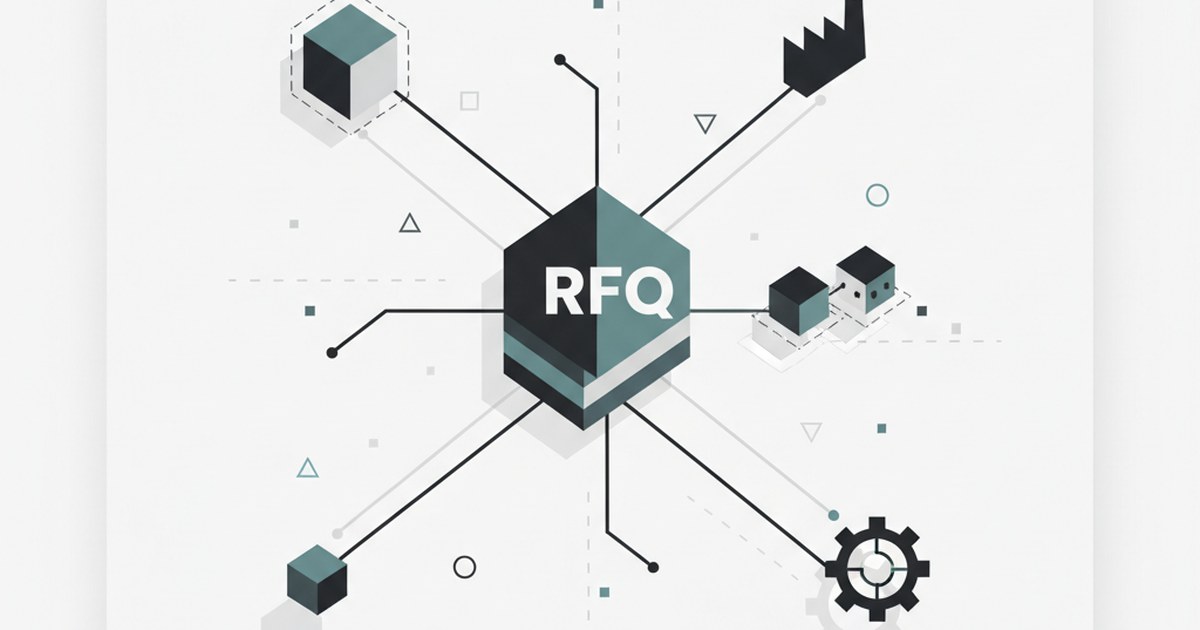
How Industrial Supply Chains Benefit From Structured RFQs
Inconsistent RFQs often lead to confusion and inflated costs. By standardizing your requests, you can make bid comparisons easier, speed up the sourcing process, and build better relationships with suppliers. This post looks at the practical benefits of using structured RFQs to create a more efficient industrial supply chain.